
Professional Mould Removal in Sydney
IICRC Certified Technicians Remove Black Mould Safely from Sydney Homes – 24/7 Emergency Response Across North Shore, Eastern Suburbs, Inner West & Western Sydney
What Sydney Homeowners Need to Know About Mould Removal
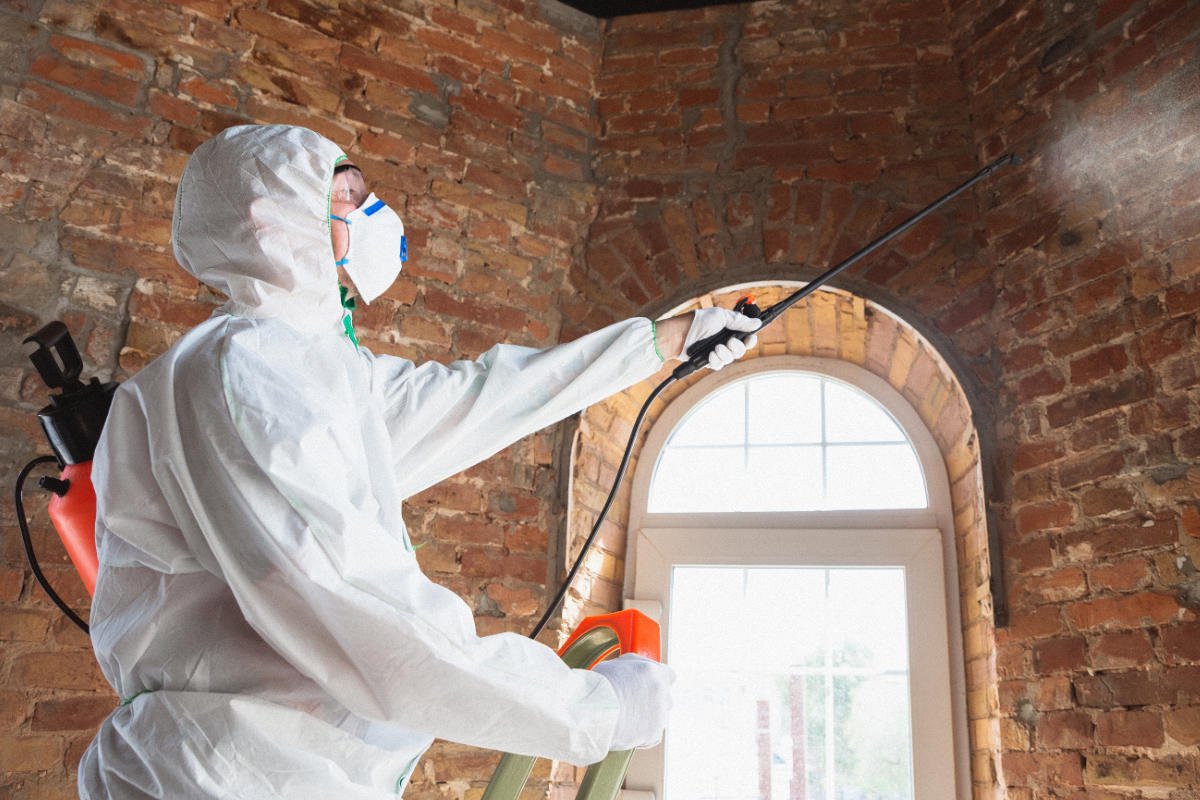
That black stuff spreading across your bathroom ceiling? It’s not just dirt you can wipe away. Mould in Sydney homes is a serious problem, fuelled by our coastal humidity and unpredictable weather. Whether it’s creeping along windowsills after a storm, taking over a leaky bathroom, or hiding behind wardrobes in damp bedrooms, mould removal isn’t a job for surface cleaners and wishful thinking. We’ve seen what happens when homeowners wait too long or try quick fixes—the mould comes back, often worse than before.
Sydney Mold Pros has spent 11+ years removing mould from properties across North Shore, Eastern Suburbs, Inner West, and Western Sydney. We don’t just clean visible mould—we eliminate the source, treat affected areas with EPA-registered antimicrobials, and prevent it returning. Every technician on our team is IICRC certified, which means they’re trained in proper mould removal protocols, not just cleaning techniques. We arrive with HEPA-filtered air scrubbers, moisture metres, containment barriers, and the expertise to handle everything from small bathroom patches to full-scale mould remediation after flooding.

– Close doors to affected rooms
– Turn off HVAC system
– Don’t disturb visible mold
– Keep children and pets away
– Available 24/7/365
– 60-minute response time
– Free mold inspection
– Take photos and videos
– Note any water leaks or moisture
– Document affected areas
– Contact your insurance company

Mold spreads rapidly in 24 – 48 hrs
Every hour matters!
Don’t attempt DIY removal – you could spread spores throughout your home.
What is Mould Removal and Why it Matters
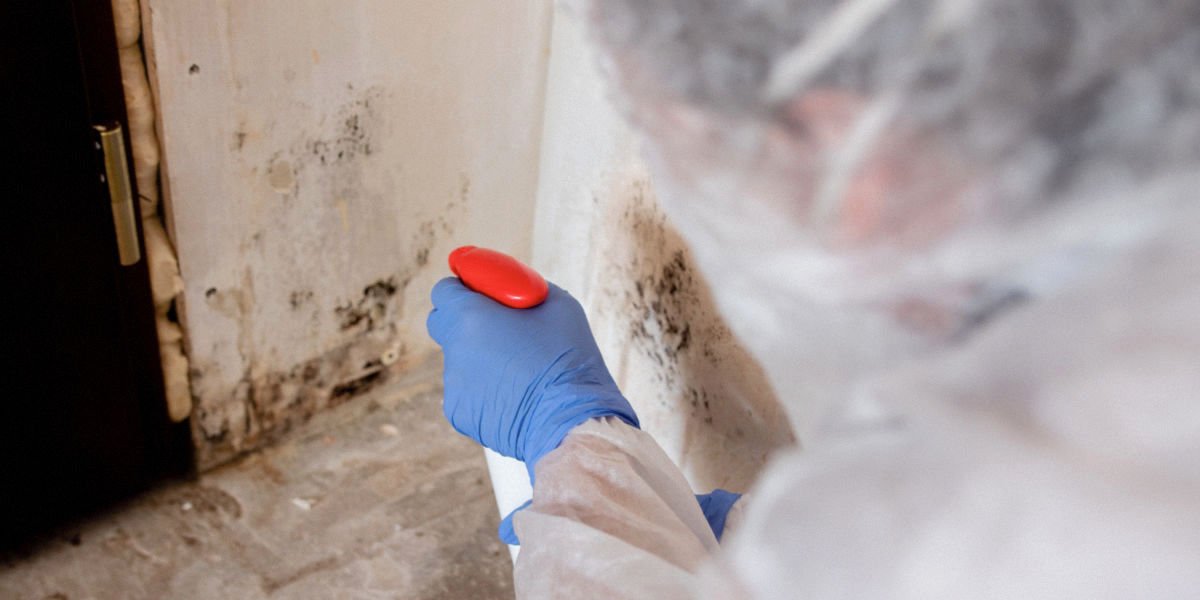
Mould removal is the complete elimination of mould colonies from your property—not just wiping down surfaces. It involves identifying the mould type, containing the affected area to prevent spore spread, physically removing contaminated materials, treating surfaces with antimicrobial solutions, and addressing the moisture source that caused it. This isn’t the same as mould remediation, which is a broader term that includes prevention and restoration work alongside removal.
Professional mould removal follows IICRC S520 standards, the recognised industry benchmark for mould remediation. These standards exist because improper removal can spread spores throughout your property, making the problem worse. When you hire a certified mould removal company like Sydney Mold Pros, you’re getting technicians who understand containment protocols, proper disposal of contaminated materials, and effective treatment methods.
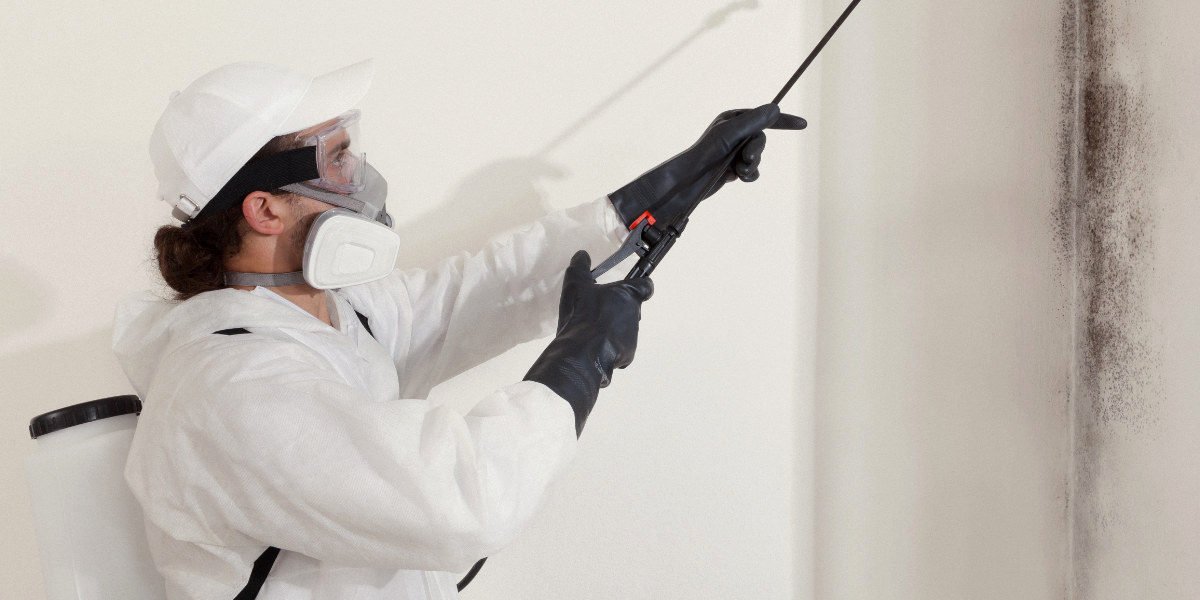
Here’s what separates professional mould removal from amateur attempts: we use HEPA vacuum systems that capture 99.97% of particles down to 0.3 microns, negative air machines that prevent spore migration, and hospital-grade antimicrobials that actually kill mould at the root. We also measure moisture levels in walls, floors, and ceilings to find hidden water sources that most people miss.
Sydney's Mould Problem: Why it Happens Here
Living in Sydney means dealing with humidity. Coastal properties catch ocean breezes that sound lovely until you realise they’re bringing moisture straight into your home. Add our summer storms, those humid February weeks, and older homes with questionable ventilation, and you’ve got perfect conditions for mould growth.
We’ve removed black mould from bathrooms in Bondi where poor exhaust fans couldn’t keep up with shower steam. We’ve treated bedrooms in North Shore homes where ocean air condensed on cold walls. In Western Sydney, we’ve seen mould take over entire laundries after minor plumbing leaks went unnoticed. The Inner West’s heritage homes, while beautiful, often lack proper damp-proofing—we remove mould from those properties regularly.
Common scenarios we handle: bathroom ceilings turning black around exhaust vents, window frames growing fuzzy patches after rain, wardrobes developing musty odours and visible mould on rear walls, kitchen splashbacks with mould behind tiles, and bedroom corners where external walls meet ceilings. If Sydney’s climate can create it, we’ve removed it.
Health Risks: Why Quick Mould Removal Matters
Mould isn’t just unsightly—it’s a legitimate health hazard. Breathing mould spores can trigger asthma attacks, cause persistent coughing and wheezing, create chronic sinus congestion, and lead to severe allergic reactions in sensitive individuals. Children, elderly people, and anyone with compromised immune systems face higher risks.
Black mould (Stachybotrys chartarum) produces mycotoxins that can cause serious respiratory issues, persistent headaches, fatigue, and in severe cases, neurological problems. We’ve met Sydney homeowners who suffered unexplained symptoms for months before discovering hidden mould growth behind walls or under floors.
The longer mould grows, the more spores it releases and the deeper it penetrates materials. What starts as a small bathroom ceiling patch can spread to wall cavities, then into insulation, then throughout your HVAC system if left untreated. Professional mould removal stops this progression and eliminates the health risk.
If you’re smelling musty odours, seeing visible growth, or experiencing unexplained respiratory symptoms, don’t wait. Emergency mould removal exists for situations where health risks are immediate.
Types of Mould We Remove from Sydney Properties
Black Mould (Stachybotrys chartarum)
This is the one that worries people, and rightfully so. Black mould appears dark greenish-black, has a slimy texture when wet, and grows on materials with high cellulose content like drywall, wood, and paper. It needs constant moisture to survive, so we typically find it after water damage, persistent leaks, or flooding. Black mould removal requires strict containment protocols because disturbing it releases high concentrations of spores and mycotoxins.
Aspergillus
Extremely common in Sydney homes. Aspergillus appears in various colours—green, white, yellow, or black—and grows on walls, insulation, paper, and clothing. While not as immediately dangerous as black mould, it can cause serious infections in people with weakened immune systems and trigger severe allergic reactions. We find it frequently in air conditioning systems and poorly ventilated bathrooms.
Cladosporium
This one thrives in both warm and cool conditions, making it a year-round issue in Sydney. It appears olive-green to brown or black and commonly grows on fabrics, carpets, wood surfaces, and HVAC systems. Cladosporium is particularly problematic for people with asthma or respiratory allergies.
Penicillium
Usually blue or green with a velvety texture. It spreads fast and we often find it on water-damaged materials, wallpaper, carpet, insulation, and mattresses. Penicillium produces strong musty odours and can cause allergic reactions and respiratory problems.
Professional identification matters because different mould types require different removal approaches. Some can be treated and cleaned; others require complete material removal. We don’t guess—we assess, identify, and remove using appropriate methods for each situation.
Mould Removal Cost in Sydney: What to Expect
Here’s the honest answer: mould removal costs in Sydney typically range from $500 for small, contained bathroom mould to $10,000+ for extensive whole-home remediation after flooding. Most residential jobs fall between $1,500 and $4,000.
What affects the price? Size of the affected area is the biggest factor—treating a 1-square-metre bathroom corner costs dramatically less than remediating an entire water-damaged bedroom. The type of mould matters: black mould removal requires stricter containment and safety protocols, increasing costs. Material removal adds expense: if we need to remove drywall, flooring, or insulation rather than just treating surfaces, labour and disposal costs increase. Accessibility plays a role too—mould in wall cavities, roof spaces, or under floors requires more work than surface mould.
Hidden water damage extends costs because we need to address the source before removing mould. A leaking pipe behind a wall might require plumbing repairs plus wall reconstruction after mould removal. Emergency mould removal services cost more due to immediate response requirements.
Why do quotes vary between mould removal companies? Because scope varies. One company might quote surface cleaning only. Another includes proper containment, antimicrobial treatment, and moisture source remediation. We provide detailed quotes breaking down exactly what’s included: containment setup, HEPA filtration, physical removal, antimicrobial treatment, disposal, and any necessary repairs.
We offer free inspections specifically so you get an accurate quote before committing. A proper assessment costs you nothing and gives you the information needed to make an informed decision.
Professional mould removal costs more than DIY because you’re paying for IICRC-certified expertise, industrial equipment, proper containment, EPA-registered antimicrobials, insurance coverage, and guaranteed results. When you consider the health risks and potential for improper DIY removal to spread mould throughout your home, professional service delivers genuine value.
DIY vs Professional Mould Removal: When to Call Experts
Small surface mould—less than 1 square metre, recently appeared, on non-porous surfaces like tiles—can sometimes be handled with proper PPE and antifungal cleaners. We’re talking about minor bathroom tile grout mould that hasn’t penetrated materials. Even then, you need N95 masks, gloves, eye protection, and proper ventilation.
But here’s where DIY becomes dangerous: any mould growth larger than 1 square metre requires professional removal according to environmental health guidelines. Black mould of any size needs professionals. Mould on porous materials like drywall, insulation, or carpet can’t be fully cleaned—it needs removal. Mould in HVAC systems spreads spores throughout your home when disturbed. Hidden mould behind walls, under floors, or in ceiling cavities requires specialised detection equipment.
After flooding or water damage, assume mould is growing in materials you can’t see. After sewage backups, professional remediation is mandatory due to contamination risks. If anyone in your household has respiratory issues, immune problems, or mould allergies, don’t risk DIY exposure.
The DIY risks are real: disturbing mould without proper containment spreads billions of spores throughout your home, making a localised problem into a whole-house contamination. Using incorrect cleaners can make mould temporarily invisible while it continues growing beneath surfaces. Failing to identify and fix moisture sources guarantees the mould returns within weeks. Missing hidden mould means treating symptoms while the actual problem worsens.
Sydney Mold Pros brings equipment most homeowners don’t own: HEPA air scrubbers that filter spores from the air, industrial dehumidifiers that pull moisture from materials, thermal imaging cameras that detect hidden water damage, moisture metres that measure dampness inside walls, negative air machines that create containment pressure, and commercial-grade antimicrobials unavailable to consumers.
More importantly, we bring experience. We’ve handled everything from tiny bathroom patches to entire homes requiring structural drying and reconstruction. We know how mould behaves in Sydney’s climate, where it hides, and how to eliminate it permanently.
Preventing Mould After Removal: Keep It Gone
Removing mould solves the immediate problem. Preventing its return requires addressing what caused it.
Control Moisture Sources
Fix leaks immediately—roof leaks, plumbing leaks, window leaks, anywhere water enters your home. Repair them before they create mould-friendly conditions. Improve ventilation in bathrooms, laundries, and kitchens using exhaust fans that vent outside, not into ceiling cavities. Open windows regularly to promote air circulation, especially after showers or cooking. In humid Sydney weather, use dehumidifiers to keep indoor humidity below 60%.
Maintain Your Property
Clean gutters so water doesn’t overflow and seep into walls. Ensure downpipes direct water away from foundations. Check window seals and door weather-stripping regularly. Inspect behind appliances, under sinks, and around toilets for small leaks before they become big problems. Service air conditioning systems annually because mould loves growing in dirty filters and condensation trays.
Sydney-Specific Advice
Coastal properties need extra attention during humid months. Run air conditioning or dehumidifiers on particularly humid days. Don’t dry laundry indoors without adequate ventilation—moisture from wet clothes creates perfect mould conditions. In winter, prevent condensation on windows by improving insulation or using condensation-resistant window treatments.
After mould removal, we’ll give you specific prevention recommendations based on what caused your particular problem. Sometimes it’s as simple as using bathroom exhaust fans. Other times it requires waterproofing, improved drainage, or structural repairs. We’re honest about what’s needed because we’d rather prevent callbacks than remove the same mould twice.
Why Choose Sydney Mold Pros for Mould Removal
We’ve removed mould from over 2,700 Sydney properties since we started in 2015. Every single technician on our team holds IICRC certification in mould remediation—not just general cleaning, but specific training in proper mould removal protocols, containment procedures, and safety standards.
We’re licensed, insured, and accountable. If something goes wrong (it hasn’t), you’re protected. Our insurance covers property damage and liability, giving you security that unlicensed competitors can’t provide.
Our equipment matches what major restoration companies use: truck-mounted HEPA air scrubbers, negative air machines, industrial moisture metres, thermal imaging cameras, commercial dehumidifiers, EPA-registered antimicrobials, and proper personal protective equipment. We invest in professional gear because effective mould removal requires it.
You’re not getting a faceless corporation—you’re getting a local Sydney mould removal company that’s built its reputation on doing quality work. Our technicians live in these suburbs. They understand Sydney’s climate challenges. They’ve seen every type of mould problem this city can produce.
Need mould removed from your Sydney property? We’re ready. Call us for a free inspection and honest assessment. We’ll tell you exactly what’s needed, how much it costs, and how long it takes. Then we’ll remove your mould properly, safely, and permanently.
Why Sydney Mold Pros?
Need Mould Removal?
Your Neighbours Recommend Us




How it Works — Simple and Fast
Contact Us
Inspection
Remediation
Frequently Asked Questions
Got questions about mould removal? Here’s what Sydney homeowners ask us most often.
What's the difference between mould removal and mould remediation?
Mould removal is the physical elimination of mould colonies from surfaces and materials—it’s the core cleaning and treatment process. Mould remediation is a broader term that includes removal plus everything else: identifying moisture sources, preventing future growth, restoring damaged materials, and sometimes reconstruction. When you hire Sydney Mold Pros, we handle complete remediation: we remove the mould, treat affected areas, address moisture problems, and provide prevention advice. The terms often get used interchangeably, but proper remediation is more comprehensive than just removing visible mould.
How long does professional mould removal take?
Small jobs like bathroom ceiling mould typically take 4-6 hours from setup to completion. Medium-sized projects involving multiple affected areas or material removal might take 1-2 days. Extensive whole-home remediation after flooding can take 5-7 days or more, depending on drying time and reconstruction needs. The timeline depends on mould extent, materials affected, drying requirements, and whether we need to remove structural components. During your free inspection, we’ll provide a realistic timeline for your specific situation so you can plan accordingly.
Can I remove mould myself or do I need professionals?
Very small surface mould—less than 1 square metre on non-porous surfaces like tiles—can sometimes be handled DIY with proper protective equipment and antifungal cleaners. But professional mould removal is necessary for any growth larger than 1 square metre, all black mould regardless of size, mould on porous materials like drywall or insulation, hidden mould behind walls or under floors, and situations where anyone in your household has respiratory issues. DIY attempts risk spreading spores throughout your home, missing hidden growth, and failing to address moisture sources. We bring IICRC-certified expertise, professional containment equipment, HEPA filtration, and industrial-strength antimicrobials that deliver permanent results.
Is black mould removal more expensive than other types?
Yes, black mould removal typically costs 20-40% more than removing other mould types because it requires stricter safety protocols. Black mould (Stachybotrys chartarum) produces mycotoxins, so we use enhanced containment procedures, more protective equipment for technicians, and additional air filtration during removal. The health risks make cutting corners dangerous, so proper black mould removal follows rigorous IICRC standards. We also recommend post-remediation air quality testing for black mould situations. The extra cost reflects the additional safety measures and expertise required to remove it without exposing your household to health hazards.
Do you offer emergency mould removal services?
Absolutely. We provide 24/7 emergency mould removal services across Sydney because some situations can’t wait. If you’ve discovered extensive black mould, experienced flooding or major water damage, smell overwhelming musty odours indicating hidden growth, or have family members experiencing sudden respiratory symptoms, call us immediately. We typically respond within 2-4 hours for genuine emergencies in most Sydney suburbs. Emergency service costs more than scheduled work due to immediate response requirements, but it prevents minor problems becoming major remediation projects. Our emergency line operates around the clock, every day.
Will mould come back after removal?
Mould can return if the moisture source isn’t fixed—no amount of cleaning prevents regrowth if water keeps entering the area. That’s why proper mould removal includes identifying and addressing what caused the mould: leaks, poor ventilation, humidity, condensation, or drainage issues. When we remove mould, we also provide specific prevention recommendations for your situation. Follow those guidelines—fix leaks promptly, maintain proper ventilation, control humidity—and mould shouldn’t return. We guarantee our work: if mould returns in treated areas within the warranty period and you’ve addressed moisture sources as advised, we’ll retreat the area.
Ready to Eliminate Your Mould Problem?
Talk to a Certified Expert Now