
Professional Mould Inspection Sydney
Thermal Imaging and Calibrated Moisture Metres Detect Hidden Mould Behind Walls, Under Floors, and Inside Ceilings – Free Initial Inspections with Same-Day Reports Available Across Sydney
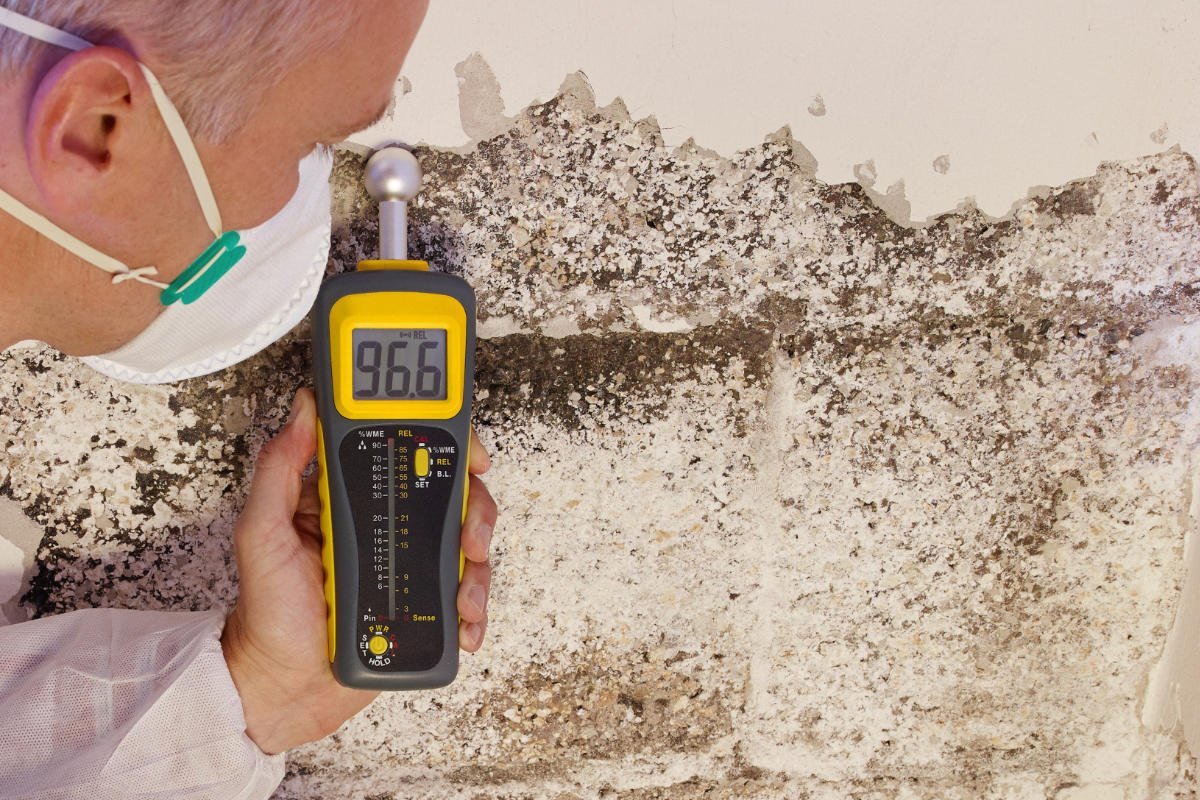
Why Professional Mould Inspection Saves Sydney Homeowners Thousands in Repairs
Musty smell in the spare bedroom but no visible mould? Dark spots on the bathroom ceiling that keep coming back? You’re not imagining it. Sydney’s coastal climate creates perfect conditions for mould growth, and what you can see is usually just the beginning. Most mould hides behind walls, under floors, inside ceiling cavities—anywhere moisture accumulates without airflow. A professional mould inspection finds the source, not just the symptom. We’ve inspected over 2,700 Sydney properties since 2015, and hidden mould is the rule, not the exception.
Sydney Mold Pros uses thermal imaging cameras, calibrated moisture metres, and NATA-accredited lab testing to detect mould you can’t see or smell. Our IICRC certified inspectors don’t just look at stains—we trace moisture patterns, identify entry points, and document everything with photographic evidence. You’ll receive a detailed mould inspection report within 24 hours showing exactly what’s growing, where it’s hiding, and how to fix it properly. We offer free initial inspections across Sydney’s North Shore, Eastern Suburbs, Inner West, and Western Sydney. No scare tactics. Just honest findings backed by science.

– Close doors to affected rooms
– Turn off HVAC system
– Don’t disturb visible mold
– Keep children and pets away
– Available 24/7/365
– 60-minute response time
– Free mold inspection
– Take photos and videos
– Note any water leaks or moisture
– Document affected areas
– Contact your insurance company

Mold spreads rapidly in 24 – 48 hrs
Every hour matters!
Don’t attempt DIY removal – you could spread spores throughout your home.
What is a Professional Mould Inspection?
A professional mould inspection is a systematic investigation of your property to detect mould growth, identify moisture sources, and assess the extent of contamination. It’s not just someone looking at walls with a torch.
Our inspectors use specialised equipment—thermal imaging cameras that detect temperature variations indicating moisture, calibrated moisture metres that measure water content inside building materials, and hygrometers that track humidity levels. We investigate areas most people never check: wall cavities, subfloor spaces, ceiling voids, behind kitchen cabinets, inside ducting systems.
The difference between a DIY check and professional mould inspection is like comparing a phone camera to an X-ray machine. You see surfaces. We see inside them.
Signs You Need a Mould Inspection
Musty odours are the obvious one. That earthy, damp smell that doesn’t go away no matter how much you clean. It’s volatile organic compounds released by mould colonies you can’t see.
Visible growth in any colour—black, green, white, orange, pink—means investigation time. That spot on the ceiling isn’t the problem. It’s the flag waving at you saying moisture’s getting in somewhere.
Water damage history guarantees hidden mould. Fixed a roof leak last year? Mould’s already established behind that ceiling. Bathroom flooded six months ago? Check under the floorboards. Water damage creates mould habitats that outlast the water event by years.
Health Symptoms That Signal Mould Problems
Respiratory issues that improve when you leave the house. Persistent coughing, wheezing, throat irritation. Allergic reactions without obvious triggers—sneezing, itchy eyes, skin rashes. Asthma that’s suddenly harder to control.
We’ve inspected homes where children developed chronic cough, doctors couldn’t explain it, and nobody suspected mould until someone finally noticed the damp patch behind the bedroom furniture. The mould inspection revealed extensive growth inside the wall cavity from a slow plumbing leak.
Kids, elderly people, anyone with compromised immune systems—they’re vulnerable to mould exposure at lower levels than healthy adults. Early detection matters for their safety.
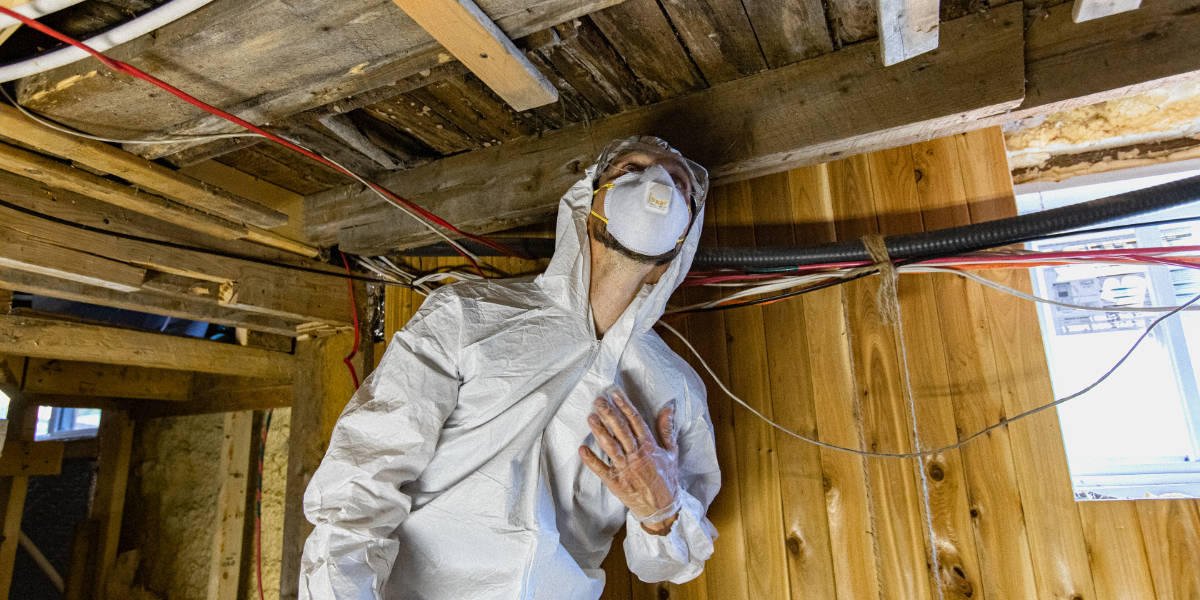
What Our Mould Inspection Reports Include
You’ll receive a written report within 48 hours—sometimes same-day for urgent situations. No vague summaries. Detailed findings with photographic evidence.
Report Contents and Structure
The findings summary lists all areas where mould or moisture was detected. Each location includes moisture readings, thermal imaging results, visual observations, and photographs showing exactly what we found.
Moisture source identification explains how water’s entering. Failed roof flashing. Leaking shower waste. Condensation from inadequate ventilation. Rising damp from poor subfloor ventilation. We don’t just tell you there’s moisture—we tell you why it’s there.
Affected areas are mapped with floor plans showing moisture readings at multiple points. You’ll see which walls, ceilings, or floors have problems and how extensive the moisture penetration is.
Health Risk Assessment and Recommendations
If we collected samples for lab analysis, the report includes species identification and concentration levels. Some moulds are allergenic, others produce mycotoxins, some are relatively harmless. You’ll know what you’re dealing with.
Health risk assessment considers the mould types present, contamination extent, and vulnerable occupants. A small patch of Cladosporium in a well-ventilated garage is different from extensive Stachybotrys inside bedroom walls where asthmatic children sleep.
Remediation recommendations are specific. Not “remove the mould”—actual instructions on fixing moisture sources, removing contaminated materials, cleaning salvageable surfaces, improving ventilation, preventing recurrence.
Prevention strategies tailored to your property. Install exhaust fans. Improve subfloor ventilation. Repair external waterproofing. Address drainage issues. Practical steps that stop mould coming back after remediation.
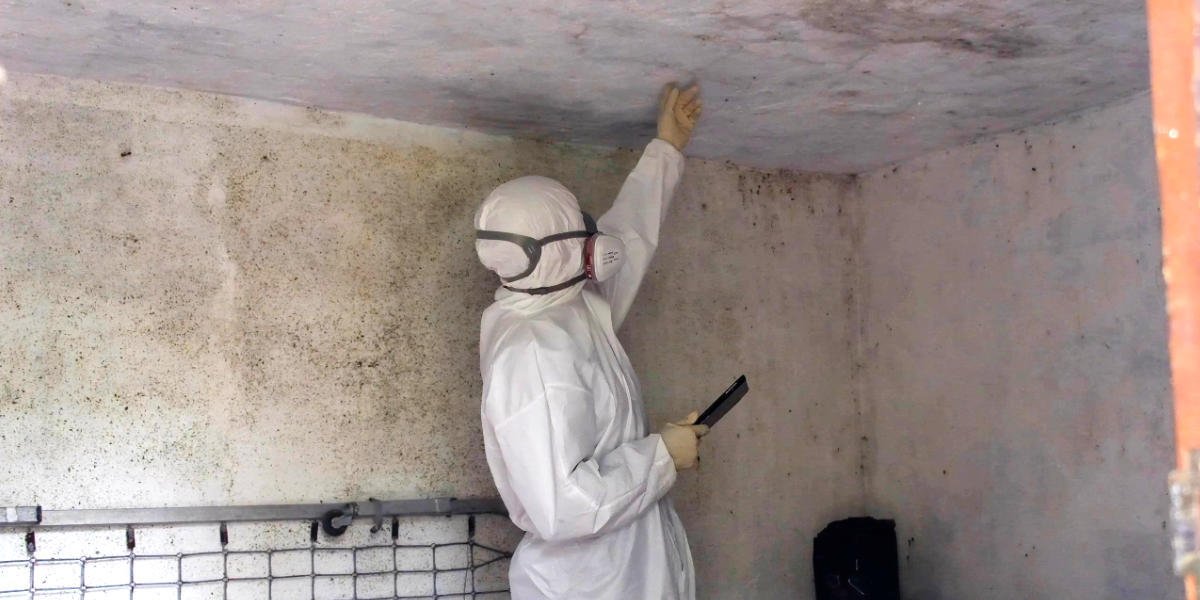
Hidden Mould Detection in Sydney Properties
Wall cavities are prime hiding spots. Brick veneer homes with failed weep holes allow moisture inside the cavity. Mould grows on timber framing and inside insulation batts where you’ll never see it until walls are opened.
We’ve thermal-scanned homes where visible mould was minimal but thermal imaging revealed extensive moisture behind multiple walls. The musty smell wasn’t mysterious anymore.
Common Hidden Mould Locations
Behind bathroom tiles where waterproofing has failed. Water penetrates grout, gets behind tiles, soaks into the substrate. Mould grows on wet plasterboard or fibre cement behind the tiled surface.
Under vinyl and laminate flooring after water damage. Spills, leaks, floods—water gets underneath and can’t dry out. Mould grows on the subfloor or underlay, invisible until you lift the flooring.
Inside ceiling spaces above bathrooms and kitchens. Steam rises, meets cold ceiling surfaces, condenses. Without adequate exhaust ventilation, that moisture accumulates in ceiling cavities. Mould grows on ceiling joists, insulation batts, and the back of plasterboard.
Subfloor areas in raised timber homes are mould havens when ventilation is inadequate. Ground moisture evaporates, can’t escape, condenses on cool timber joists. We’ve crawled under Sydney homes with extensive mould on every joist because subfloor vents were blocked or insufficient.
Ducted air conditioning systems accumulate mould when condensation isn’t draining properly. Every time the system runs, it’s circulating mould spores throughout your home. Occupants develop respiratory symptoms, never suspecting the air conditioning is the source.
Mould Inspection Cost in Sydney
A standard residential mould inspection typically costs $350-$550 depending on property size. That includes visual assessment, thermal imaging, moisture mapping, photographic documentation, and a written report.
We offer free initial inspections across Sydney. We’ll assess your situation, provide basic findings, and recommend whether a full inspection with detailed reporting is necessary. No obligation. No hidden fees.
Sydney-Specific Advice
Coastal properties need extra attention during humid months. Run air conditioning or dehumidifiers on particularly humid days. Don’t dry laundry indoors without adequate ventilation—moisture from wet clothes creates perfect mould conditions. In winter, prevent condensation on windows by improving insulation or using condensation-resistant window treatments.
After mould removal, we’ll give you specific prevention recommendations based on what caused your particular problem. Sometimes it’s as simple as using bathroom exhaust fans. Other times it requires waterproofing, improved drainage, or structural repairs. We’re honest about what’s needed because we’d rather prevent callbacks than remove the same mould twice.
What Affects Inspection Pricing
Property size matters. A two-bedroom apartment takes less time than a four-bedroom house with subfloor and roof cavity access. Larger properties mean more areas to inspect, more moisture readings to take, more documentation to compile.
Lab testing is additional. Air sampling runs $220-$280 per sample location. Surface sampling costs $180-$220 per sample. Not every inspection needs lab testing—we recommend it when health concerns are serious or species identification matters for remediation planning.
Commercial and strata inspections are quoted individually based on complexity. Large buildings, multiple units, common area assessment—these require different approaches than residential properties.
Why Professional Inspection Saves Money
DIY mould testing kits from hardware stores are useless. They’ll tell you mould is present (it’s present in every building), but they won’t tell you where moisture is entering, how extensive contamination is, or what remediation approach will actually work.
We’ve seen homeowners spend thousands on ineffective mould removal because they treated symptoms without addressing moisture sources. Mould came back within months. A proper inspection identifies root causes, ensuring remediation actually solves the problem permanently.
Pre-purchase inspections are especially valuable. Finding hidden mould before you buy lets you negotiate price reductions, require repairs before settlement, or walk away from a problem property. Discovering it after purchase means you’re covering all remediation costs yourself.
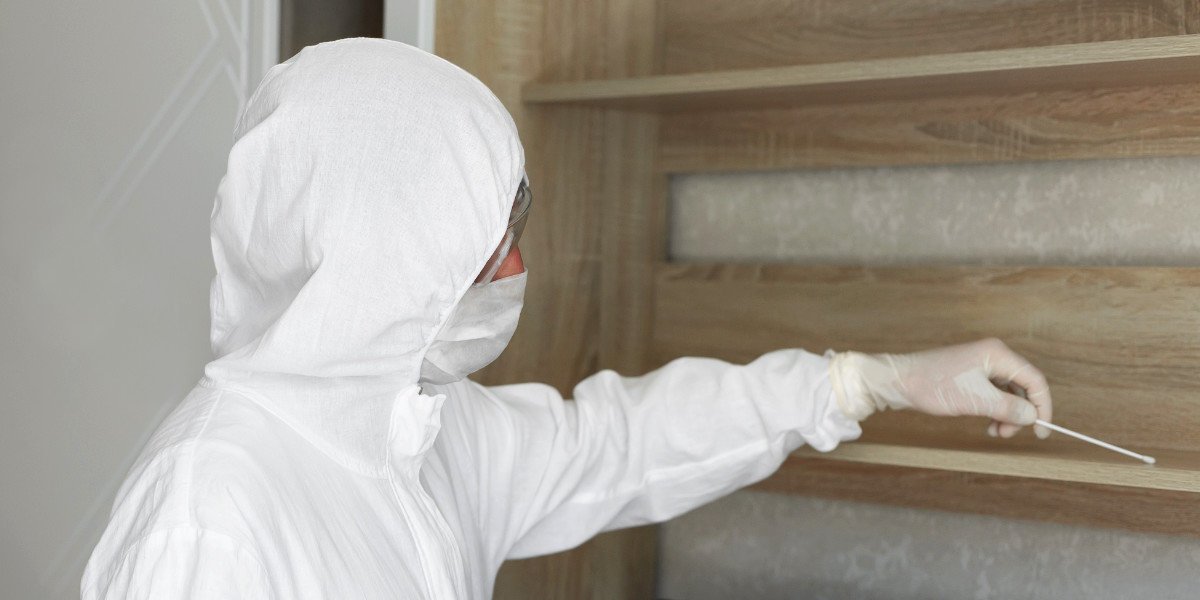
Why Choose Sydney Mold Pros for Mould Inspection
Our inspectors hold IICRC certification in mould inspection and remediation. This isn’t a weekend course—it’s rigorous training covering building science, microbiology, moisture assessment, and inspection methodology. We maintain certification through ongoing education as standards evolve.
We’ve completed over 2,700 mould inspections across Sydney since 2015. North Shore, Eastern Suburbs, Inner West, Western Sydney—we’ve inspected properties in every suburb. Coastal apartments, weatherboard cottages, brick veneer homes, heritage buildings—experience across every building type gives us pattern recognition that catches problems others miss.
Advanced Equipment and Fast Reporting
Our thermal imaging cameras are professional-grade models, not cheap consumer versions. They detect temperature differences down to 0.1°C, revealing moisture patterns invisible to lower-quality equipment.
Moisture metres are calibrated regularly to manufacturer specifications. Accurate readings matter. The difference between 14% and 18% moisture content in timber determines whether remediation is needed or materials can dry naturally.
Air sampling equipment is calibrated and maintained to strict standards. Lab analysis is conducted by NATA-accredited facilities. Results you can trust for health decisions and legal purposes.
We deliver reports within 24 hours as standard. Urgent situations get same-day reporting. You’re not waiting weeks wondering what’s happening in your property.
Honest Findings Without Scare Tactics
We’ve turned down jobs where homeowners panicked over minor mould that didn’t require professional remediation. “Clean it yourself with diluted vinegar, fix that small leak, you’ll be fine.” We don’t manufacture problems to create work.
When serious mould is present, we’ll tell you clearly. We’ll explain health risks honestly. We’ll recommend appropriate remediation scope. But we won’t exaggerate findings or use fear to pressure you into services you don’t need.
Our free initial inspection lets you get a professional opinion without financial commitment. We’ll assess your situation, provide basic findings, and tell you honestly whether a full inspection is warranted. Sometimes it’s not. We say so.
Coverage Across Sydney
We service all Sydney suburbs. North Shore properties with harbour views and moisture problems from coastal air. Eastern Suburbs apartments with water penetration through building envelopes. Inner West terraces with rising damp. Western Sydney homes with ventilation challenges.
Every Sydney Mold Pros inspector lives locally and knows Sydney’s climate challenges. Coastal humidity, seasonal rainfall patterns, building types common to different eras and suburbs—local knowledge matters when investigating moisture and mould problems.
Emergency service is available 24/7 for urgent situations. Burst pipe flooding a property? Fire sprinkler activation soaking walls? We can be on-site quickly to assess mould risk and begin moisture monitoring before problems develop.
Our inspection findings are backed by 10+ years of Sydney-specific experience. We’ve seen every mould scenario this climate can create. That knowledge base informs our investigations and recommendations, giving you insights that generic inspection checklists can’t provide.
Contact Sydney Mold Pros today for your free initial mould inspection. We’ll assess your property honestly, explain what we find clearly, and provide recommendations you can trust. Whether you need a pre-purchase inspection, health-related investigation, or answers about that musty smell that won’t go away—we’ve got the equipment, certification, and experience to find the truth about mould in your Sydney property.
Why Sydney Mold Pros?
Need Mould Inspection?
Your Neighbours Recommend Us




How it Works — Simple and Fast
Contact Us
Inspection
Remediation
Frequently Asked Questions
Got questions about mould inspection? Here’s what Sydney homeowners ask us most often.
How much does a mould inspection cost in Sydney?
Standard residential mould inspection costs $350-$550 depending on property size. This includes visual assessment, thermal imaging, moisture mapping throughout accessible areas, photographic documentation, and a detailed written report delivered within 24 hours. We offer free initial inspections where we’ll assess your situation and recommend whether full inspection is needed. Lab testing is additional if required—air sampling runs $220-$280 per location, surface sampling costs $180-$220 per sample. Not every inspection needs lab analysis. We only recommend testing when health concerns are serious or species identification matters for remediation planning.
What's the difference between mould inspection and mould testing?
Mould inspection is the visual and moisture assessment process using thermal imaging cameras and calibrated moisture metres to detect mould growth and identify moisture sources. Testing refers to laboratory analysis of collected samples—air or surface swabs—to identify mould species and quantify spore concentrations. Inspection comes first and often answers all necessary questions without testing. We recommend lab testing when health symptoms are severe, legal documentation is needed, or identifying specific mould species changes remediation approach. Many inspections don’t require testing at all. We can see the mould, measure the moisture, identify the source, and recommend remediation based on visual inspection findings alone.
Do I need a mould inspection if I can already see mould?
Yes. Visible mould is the symptom, not the complete problem. What you’re seeing on surfaces is just the colony that had enough moisture and nutrients to grow visibly. Hidden mould is almost always present behind walls, under floors, inside ceiling cavities—fed by the same moisture source causing visible growth. Professional mould inspection identifies that moisture source so remediation can fix root causes, not just clean surfaces. We’ve inspected hundreds of Sydney properties where visible mould was minimal but thermal imaging revealed extensive hidden contamination. Without finding and fixing moisture entry points, mould returns after surface cleaning. The inspection investment prevents wasted money on ineffective remediation.
How long does a mould inspection take?
A typical residential property inspection takes 1-2 hours on-site depending on size and complexity. Two-bedroom apartment might take 60 minutes. Four-bedroom house with subfloor and roof cavity access could take 2-3 hours. We’re not rushing through—thermal imaging requires systematic scanning of all wall surfaces, moisture metre readings need documenting accurately, and photography must capture all findings clearly. If air or surface sampling is needed, add 15-30 minutes for sample collection. You’ll receive the written report within 24 hours after inspection. Larger commercial properties or complex strata buildings take longer and are quoted individually based on scope.
Will you find mould even if I can't see or smell it?
Yes—that’s exactly what our thermal imaging equipment does. The camera detects temperature variations across surfaces that indicate moisture presence behind walls, above ceilings, under floors. Moisture shows as cooler areas because water conducts heat differently than dry building materials. Where hidden moisture accumulates, mould grows in spaces you can’t access visually. We’ve found burst pipes inside walls that homeowners didn’t know existed, extensive subfloor mould in raised timber homes, and ceiling cavity contamination above bathrooms with inadequate ventilation. Sydney’s coastal climate means hidden mould is incredibly common. Your eyes can’t see through plasterboard, but our thermal cameras reveal what’s happening behind it. That’s the value of professional mould inspection equipment.
Do I need a mould inspection before buying a property?
Highly recommended, especially in Sydney’s climate. Coastal humidity and older building stock make mould problems common. Sellers aren’t required to disclose mould history in NSW. Beautiful renovations can hide serious contamination—fresh paint over mouldy walls, new flooring over damaged subfloors, cosmetic improvements that conceal rather than fix problems. Our pre-purchase mould inspection uses thermal imaging to see beyond surface appearances. Finding hidden mould before purchase gives you negotiating leverage for price reduction or required repairs before settlement. Discovering it after you own the property means you’re covering all remediation costs yourself—potentially tens of thousands of dollars. A $500 inspection that prevents a $20,000 surprise is excellent value.
What happens after you complete the inspection?
You’ll receive a detailed written report within 24 hours containing all findings with photographic evidence, moisture readings mapped to floor plans, moisture source identification, and specific remediation recommendations. We’ll walk you through the report over the phone, explaining what everything means in practical terms. You’ll know exactly what moisture problems exist, where mould is growing (visible and hidden), what’s causing it, and what needs fixing. The report includes prevention strategies specific to your property—ventilation improvements, maintenance issues, behavioural changes that reduce moisture. There’s absolutely no obligation to use our remediation services. Take the report to any mould remediator you choose. It’s independent documentation of your property’s condition that stands on professional merit.
Is a free mould inspection really free?
Yes—our initial inspection is genuinely free with no hidden fees or obligations. We’ll visit your property, conduct a visual assessment, use moisture metres in areas of concern, provide basic findings, and recommend whether a full inspection with thermal imaging and detailed reporting is necessary. Sometimes the answer is no—minor mould that doesn’t require professional remediation, or moisture readings that indicate no significant problem. We’ll tell you honestly. If full inspection is recommended, we’ll quote the cost clearly with no pressure to proceed immediately. The free inspection gives you professional guidance without financial risk. We’ve been offering this across Sydney for 10+ years because we’d rather give honest advice that builds trust than manufacture problems to create invoices.
Ready to Eliminate Your Mould Problem?
Talk to a Certified Expert Now