
Professional Mould Removal in London Trusted by London's Landlords Since 2018
From Inspection to Remediation, We Treat the Cause So it Doesn’t Come Back.
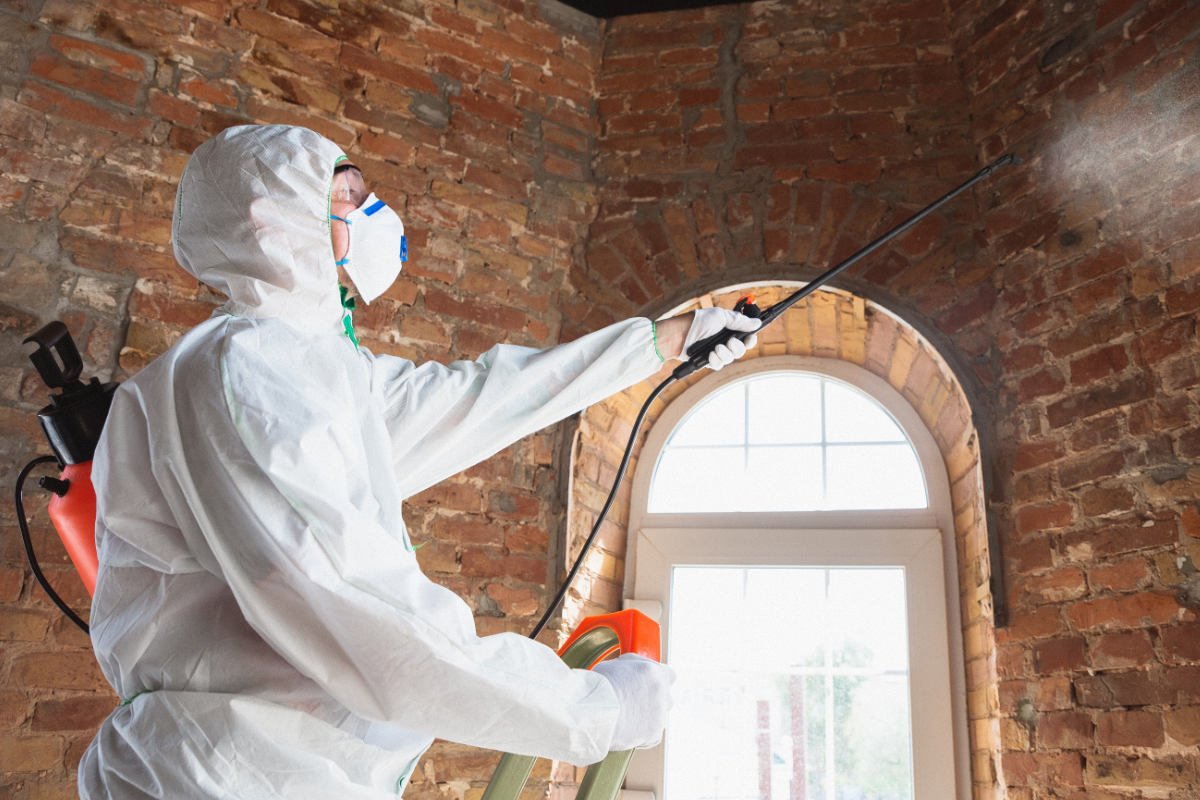
Most Companies Clean the Surface. We Go Deeper.
Black patches spreading across your bathroom ceiling. That musty smell creeping out of the bedroom wardrobe. Fuzzy green growth appearing on a kitchen wall after a slow leak. Mould in London homes is extraordinarily common — the city’s cold, wet winters and older Victorian and Edwardian housing stock create near-perfect conditions for it to take hold. Ignore it, and it spreads fast. Try to scrub it away without the right approach, and it comes back within weeks.
London Mould Pros has been removing mould from properties across Greater London for over 7 years. We’ve treated more than 2,500 homes and commercial spaces — from basement flats in Hackney to terraced houses in Croydon, mansion blocks in Kensington to council properties in Lewisham. Our technicians are IICRC certified, our process is methodical, and we don’t just clean the surface. We find the source, eliminate the growth, and treat the area so it doesn’t return. If you need professional mould removal in London, here’s everything you need to know.

– Close doors to affected rooms
– Turn off HVAC system
– Don’t disturb visible mold
– Keep children and pets away
– Available 24/7/365
– 60-minute response time
– Free mould inspection
– Take photos and videos
– Note any water leaks or moisture
– Document affected areas
– Contact your insurance company

Mold spreads rapidly in 24 – 48 hrs
Every hour matters!
Don’t attempt DIY removal – you could spread spores throughout your home.
What Mould Actually Is (And Why It Matters)
Mould is a type of fungus. It grows wherever there’s moisture, a food source (like plaster, wood, or paint), and not enough ventilation. In London’s older housing stock especially, those three conditions come together more often than people realise. Poor insulation, period properties, flat roofs, and high humidity levels in bathrooms and kitchens create the perfect conditions.
The most common species we see is Cladosporium, which appears as a dark green or black staining. Then there’s Aspergillus and, more seriously, Stachybotrys chartarum, which is what most people mean when they talk about black mould removal. Stachybotrys is the one you really don’t want to sit on for long. It produces mycotoxins that can irritate the respiratory system, trigger allergic reactions, and cause real health problems for children, the elderly, and anyone with a compromised immune system.
Not all black mould is the same species, and that’s exactly why proper mould testing matters before you start any treatment. Guessing is how you end up treating the wrong problem.
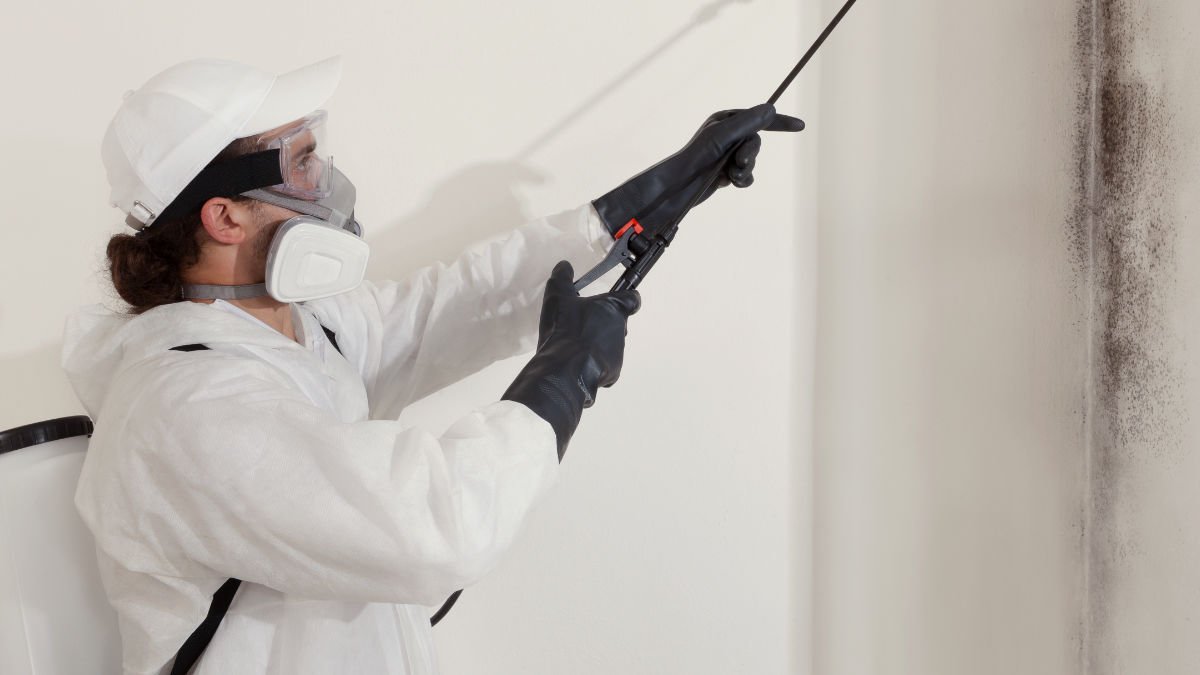
Our Mould Removal Services in London
We offer a full range of mould removal services, from a single room to whole-building treatments. Here’s how our process typically works:
1. Mould Inspection London
Every job starts with a proper mould inspection. We assess the full extent of the mould growth, check moisture levels in walls and ceilings with specialist equipment, and identify the source of the problem. A mould inspection in London isn’t just about finding what’s visible. It’s about finding what isn’t.
2. Mould Testing
Where needed, we carry out mould testing to identify exactly what species is present and how severe the contamination is. This is particularly important in properties where occupants are experiencing health symptoms, in homes with young children, or after flooding. Mould testing also feeds into air quality testing, which tells us whether airborne spores are at a safe level. A lot of companies skip this step. We don’t.
3. Professional Mould Removal
Once we understand the situation fully, we carry out the removal itself. Depending on the severity, this can involve HEPA-filtered air scrubbing, antimicrobial treatments, removal of affected materials, and containment procedures to stop spores from spreading to other rooms. For serious black mould removal, we follow professional remediation protocols, not just surface cleaning.
4. Mould Remediation
Mould remediation is the stage most people overlook. It’s not just removing what you can see, it’s treating the underlying damp issue so the mould doesn’t come back in six months. Our mould remediation services address the source, improve ventilation where possible, and apply long-lasting biocide treatments. We also offer advice on how to keep conditions right going forward, because no treatment is permanent if the moisture source stays.
5. Water Damage Restoration
Mould and water damage go hand in hand. A burst pipe, a leaky roof, or even a bathroom with chronic condensation can lead to serious mould growth within 24 to 48 hours. Our water damage restoration service deals with the aftermath of water ingress, including drying, dehumidification, and making sure the environment is safe before any redecoration takes place.
How Much Does Mould Removal Cost?
We know this is one of the first things people want to know. The honest answer is that the mould removal cost depends on the size of the affected area, the species of mould involved, whether remediation of the underlying issue is needed, and how accessible the affected space is.
As a general guide, the mould removal average cost for a single room treatment in London starts from around £150 to £300, with larger or more complex jobs running into the thousands. Properties with significant black mould growth or water damage will sit toward the higher end. But we always provide a clear quote before any work begins, so there are no surprises. If you’re looking for mould removal cost information specific to your situation, get in touch and we’ll give you a straightforward assessment.
Compared to the cost of ignoring it, professional mould removal services are almost always the better financial decision. Mould spreads. The longer it’s left, the bigger the job becomes.
How Often Does Mould Need to Be Removed?
One of the questions we get asked most often is about mould removal and how often it actually needs doing. In an ideal world, once is enough, because a good mould remediation job treats the root cause and doesn’t just mask the symptoms. But in reality, some properties have ongoing moisture issues, particularly older London homes with poor ventilation, flat roofs, or condensation-prone windows.
If mould keeps coming back after treatment, that’s a sign the underlying cause hasn’t been addressed. Our mould inspection service is designed to find exactly that. We’d rather tell you there’s a structural damp issue than have you calling us every winter for the same bathroom wall.
Why Choose London Mould Pros?
We’re not a general cleaning company that happens to offer mould removal. Mould is literally all we do. Over 7 years, we’ve built up a detailed knowledge of London’s housing stock, the most common mould types we encounter here, and the approaches that actually work long term. We work with landlords, letting agents, housing associations, homeowners, and businesses across the city.
When people search for a mould removal company near me, they’re usually in a bit of a panic. Fair enough. Mould feels alarming, especially if you’ve found black mould near a bedroom or in a property with children. We try to take that stress off your plate from the first call. Clear pricing, fast response, honest advice. No jargon, no pressure.
If you’re looking for trusted mould removal companies in London with real experience and a track record you can verify, we’d love to hear from you.
Why St. Louis Mold Pros?
Need Mold Remediation?
How it Works — Simple and Fast
Contact Us
Inspection
Remediation
Frequently Asked Questions
Everything Londoners actually want to know about mould removal, answered honestly.
What is professional mould removal and how is it different from doing it yourself?
Professional mould removal involves identifying the type and extent of the mould, containing spores during removal, using commercial-grade antifungal treatments, and addressing the moisture source that caused it. DIY approaches, usually bleach on a cloth, might lighten the staining, but they rarely penetrate porous materials like plaster or grout, and they do nothing about the underlying humidity or damp problem. A professional mould removal company will also carry out air quality testing where needed to confirm the space is safe after treatment.How much does mould removal cost in London?
The mould removal cost in London varies depending on the size of the affected area, the severity of contamination, and whether remediation or water damage restoration work is also required. A small, localised treatment might start from around £150. Larger properties or serious black mould removal jobs can cost considerably more. We always provide a fixed quote after an initial mould inspection, so you know exactly what you’re paying before we start. The mould removal average cost across a typical London flat bathroom is usually between £200 and £500.Is black mould dangerous?
It depends on the species. The term “black mould” is used loosely, but the most concerning type is Stachybotrys chartarum. This produces mycotoxins that can affect respiratory health, cause persistent coughing, trigger allergies, and in prolonged exposure, more serious symptoms. That said, any significant mould growth in a home is bad for air quality and should be dealt with promptly. This is particularly true for children, elderly residents, or anyone with asthma or a compromised immune system. Black mould removal should never be left to chance.What causes mould to keep coming back after treatment?
Recurring mould is almost always a sign that the moisture source hasn’t been dealt with. Common culprits include poor ventilation in bathrooms and kitchens, condensation building up on cold external walls, structural damp from rising or penetrating moisture, and inadequate heating in certain rooms. A mould inspection London can identify which of these is at play. Without addressing the root cause, even the best mould removal treatment is only a temporary fix. We’re always upfront about this, even when it means recommending building work we don’t carry out ourselves.
How often does mould need to be removed from a property?
Mould removal and how often it needs to happen depends entirely on whether the root cause has been resolved. A proper mould remediation job, one that addresses ventilation, moisture, and the affected materials, should ideally be a one-time fix. However, properties with persistent condensation, inadequate heating, or structural damp issues may see regrowth. If mould keeps returning, a mould inspection is the right next step to diagnose what’s actually going on rather than just treating the symptom repeatedly.Can I stay in my home during mould removal?
For small, localised treatments, yes, usually. For larger or more serious mould remediation work, especially black mould removal involving containment procedures and air scrubbing, it’s sometimes advisable to vacate during the treatment and until ventilation has cleared. We’ll always advise you clearly before work starts based on the specific situation. Children and anyone with respiratory issues should generally not be present during active removal work, regardless of scale.Do you offer emergency mould removal in London?
Yes. Emergency mould removal London services are available 24 hours a day, 7 days a week. Mould growth after a flood or significant water leak can become serious within 24 to 48 hours. If you’ve had a leak, a burst pipe, or discovered extensive mould unexpectedly, don’t wait until Monday morning. Call us any time and we’ll get someone to you as quickly as possible. Emergency callouts are available across Greater London.How do I find a reliable mould removal company near me in London?
When looking for mould removal companies, it’s worth checking how long they’ve been operating, whether they offer a proper inspection before quoting, and whether they have verifiable reviews from London properties. Be cautious of companies offering very cheap flat rates without seeing the property first, as mould problems vary enormously. At London Mould Pros, we’ve been operating for over 7 years and we always start with a proper assessment. We cover all of Greater London, so if you’re searching for mould removal services near me anywhere in the city, we’re likely able to help.
Ready to Eliminate Your Mold Problem?
Talk to a Certified Expert Now