
Professional Mould Inspection in London The First Step to Fixing it Properly
Thermal Imaging, Moisture Testing, and No Guesswork. Ever.
Seven Years of Finding What Others Miss
You’ve noticed a smell. Maybe a dark patch on a wall you can’t quite explain. Or perhaps you’re buying a property and you want to know, really know, what’s behind those freshly painted walls before you sign anything. A professional mould inspection isn’t just about confirming what you already suspect, it’s about finding what you’d never find on your own.
At London Mould Pros, we’ve been doing this for over seven years. In that time we’ve inspected everything from Victorian terraces with century-old damp issues to brand-new builds that somehow managed to trap moisture in the wrong places. Mould doesn’t care how new or expensive your property is, and it rarely makes itself easy to find.

– Close doors to affected rooms
– Turn off HVAC system
– Don’t disturb visible mold
– Keep children and pets away
– Available 24/7/365
– 60-minute response time
– Free mould inspection
– Take photos and videos
– Note any water leaks or moisture
– Document affected areas
– Contact your insurance company

Mold spreads rapidly in 24 – 48 hrs
Every hour matters!
Don’t attempt DIY removal – you could spread spores throughout your home.
What Does a Professional Mould Inspection Actually Involve?
A lot of people picture a mould inspector walking in, glancing at a wall, and walking back out. That’s not quite how it works, at least not the way we do it. A proper mould inspection is part detective work, part science, and yes, a small part of it does involve looking at walls.
Moisture Assessment: Where Mould Begins
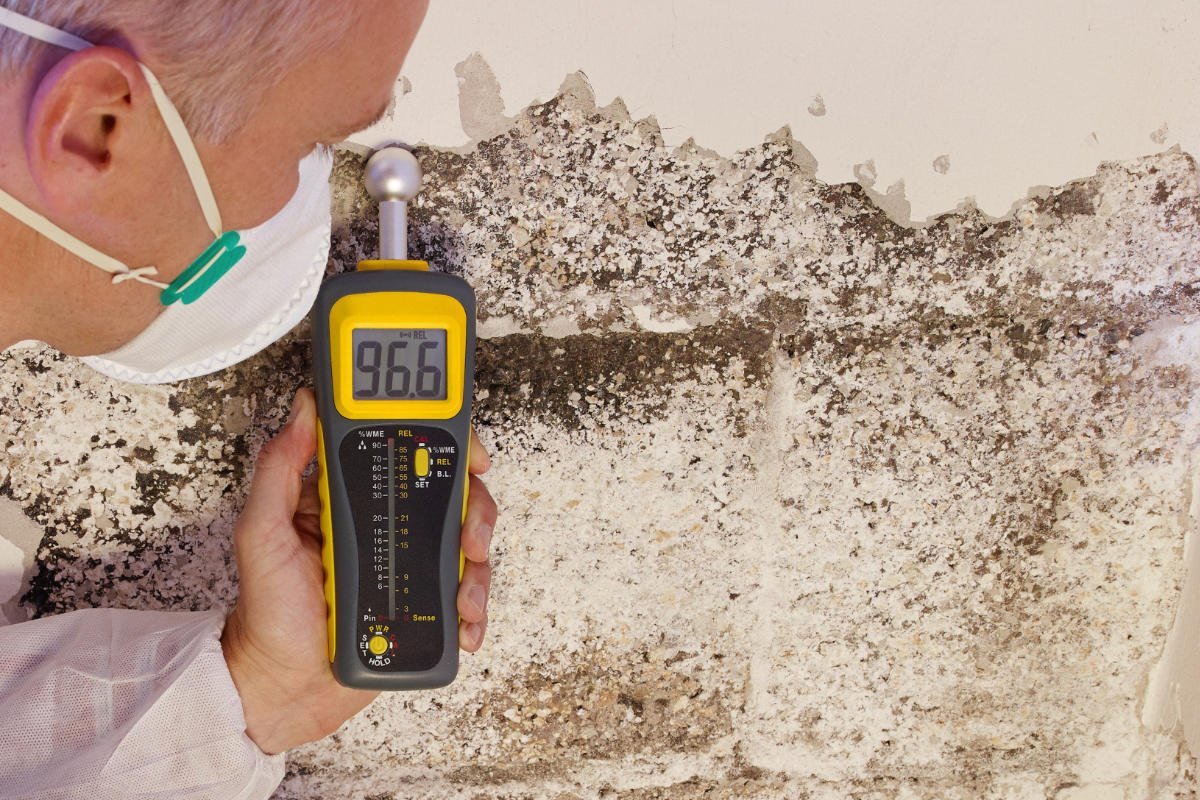
Mould needs moisture. So the first step in any mould assessment is finding the moisture. We use calibrated moisture metres to scan walls, floors, ceilings and subfloor spaces for elevated readings. What we’re looking for isn’t just surface dampness, it’s the kind of sustained moisture that creates the conditions mould spores need to settle and grow. A single damp reading in the right place can tell us a lot about where to look next.
Thermal Imaging Mould Inspection
This is one of our most effective tools, and one that most basic inspection services skip entirely. Thermal imaging cameras detect temperature differences behind surfaces. Cold spots often indicate moisture build-up that’s invisible to the naked eye. When we run a thermal imaging mould inspection, we’re effectively seeing through walls, not literally, but in terms of what’s happening with heat and moisture beneath the surface. It’s particularly useful in properties with solid walls, concealed pipework or cavity insulation, where water ingress can go undetected for months.
Air Sampling and Air Quality Testing
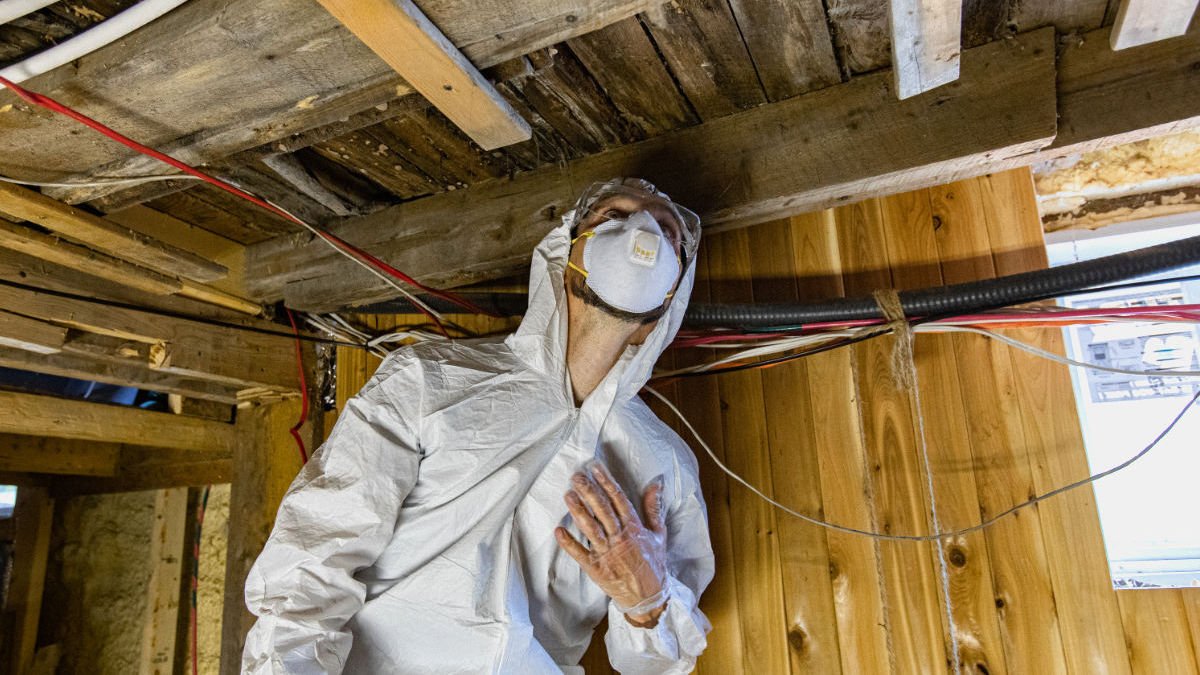
Not all mould is visible. In fact, some of the most problematic mould growth happens inside wall cavities, beneath flooring or in loft spaces where no one ever looks. Air sampling gives us a picture of what’s actually in the air you’re breathing. We collect air samples using specialist pumps and cassettes, which are then sent to an accredited laboratory for analysis. The results tell us the types and concentrations of mould spores present, and how they compare to typical outdoor levels. This is a core part of what makes a mould inspection report genuinely useful rather than just reassuring.
Surface Sampling
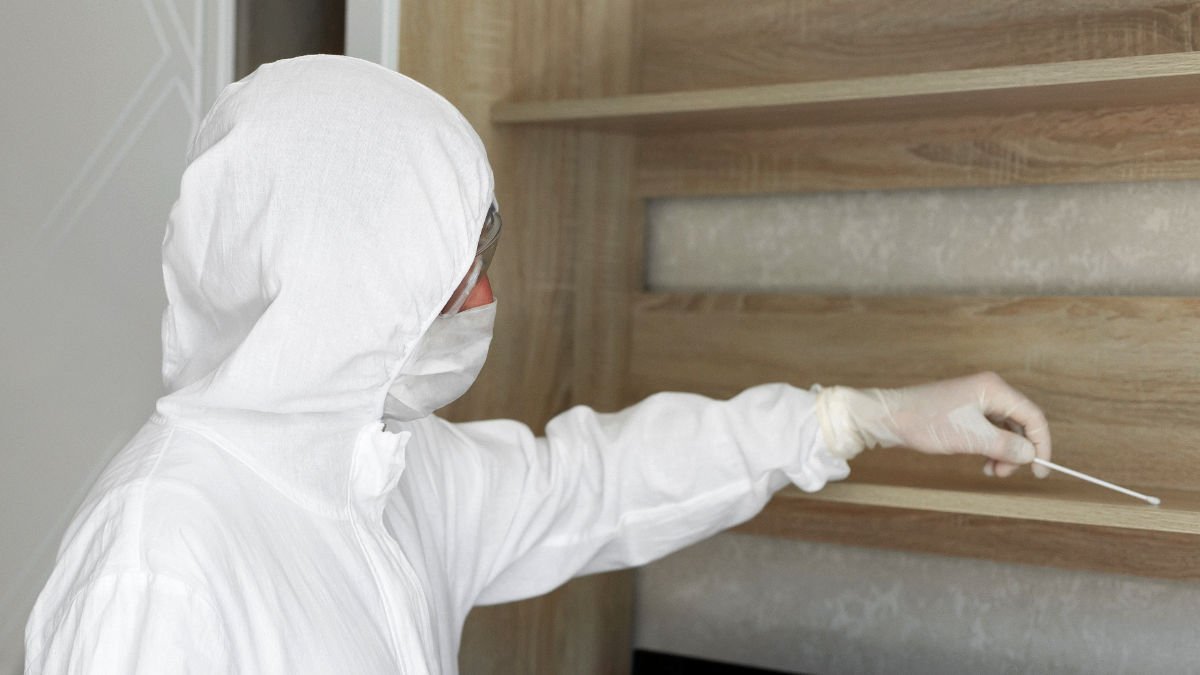
When we can see mould growth, or suspect it, surface sampling lets us identify the specific species involved. This matters because different mould types carry different health implications. A swab or tape lift sample is taken from the affected area and sent for laboratory testing. The results inform the remediation approach, which is particularly important if vulnerable people such as young children, elderly residents or those with respiratory conditions are living in the property.
Mould Inspection Equipment We Use
Our mould inspection equipment includes calibrated digital moisture metres, FLIR thermal imaging cameras, viable and non-viable air sampling pumps, and laboratory-grade surface sampling kits. We also carry borescopes for looking inside wall cavities without causing unnecessary damage, something that comes in very handy in older London properties. All our equipment is regularly calibrated and maintained, because results are only as reliable as the tools producing them.
Mould Inspection Cost: What Should You Expect to Pay?
This is the question we get asked most often, and it’s a fair one. Mould inspection cost in London varies depending on the size of the property, the complexity of the job, and which methods are needed. A straightforward inspection of a one-bedroom flat will cost less than a full survey of a multi-storey house where air sampling and thermal imaging are both required.
As a general guide, basic visual inspections with moisture metre readings start from around £150-200 for smaller properties. When thermal imaging, air sampling and laboratory testing are included, mould testing cost tends to sit between £300 and £600 or more, depending on the scope. We always discuss this upfront and give you a clear quote before we start. No surprises.
It’s also worth knowing that we offer a free mould inspection consultation call, so you can tell us what you’re dealing with and we can tell you honestly whether a full paid inspection is warranted, or whether there are simpler answers first. We’d rather spend ten minutes on the phone with you now than waste your money unnecessarily.
Pre-Purchase Mould Inspection: A Smart Move Before You Buy
If you’re buying a property in London, a standard survey won’t always pick up on mould or moisture problems lurking behind walls. A pre-purchase mould inspection is a separate, specialist assessment that can run alongside your standard survey and give you the full picture before you exchange contracts.
We’ve seen cases where a pre-purchase mould inspection has saved buyers from some truly eye-watering remediation costs down the line. Mould hidden behind plasterboard, in roof voids or under suspended floors isn’t always visible during a standard walkthrough, but it is something we know how to find. If you’re spending several hundred thousand pounds on a property, a few hundred pounds on a specialist inspection isn’t just sensible, it’s probably one of the best investments you’ll make in the process.
What's Included in a Mould Inspection Report?
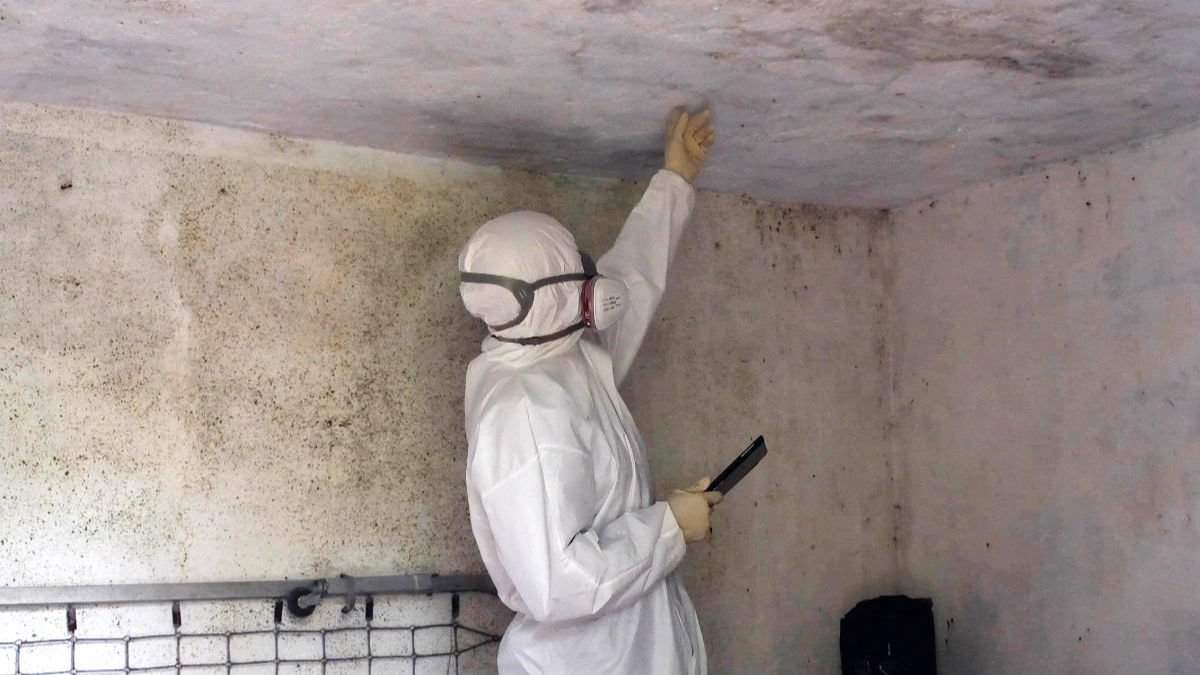
Every inspection we carry out results in a written mould inspection report. This isn’t a one-page summary with a few photographs, it’s a document you can actually use. Our reports include a full description of all findings, photographs and thermal imaging images where applicable, laboratory results from any air or surface sampling, a breakdown of the likely causes of any mould or moisture identified, and specific recommendations for remediation or further investigation.
If you’re renting and dealing with a landlord who insists there’s no problem, a professional mould inspection report from a certified inspector gives you something tangible and formal to present. If you’re selling, or in dispute with a surveyor, the same applies.
Certified Mould Inspection: Why Certification Matters
There’s no shortage of people calling themselves mould inspectors in London. What sets a certified mould inspection apart is the professional training and methodology behind it. Our inspectors are trained to occupational hygienist standards, which means the approach we take to air quality testing and sampling follows established protocols rather than guesswork. When we refer to a finding in our report, there’s a methodology behind it that will hold up to scrutiny.
An occupational hygienist approach means we’re assessing not just whether mould is present, but what the realistic health implications might be and what steps will actually resolve the problem rather than just hiding it temporarily. If you’ve had a quick spray-and-wipe from someone before, you’ll know what we mean.
Hidden Mould Detection: The Bit Most Inspectors Miss
The mould you can see is rarely the whole story. Hidden mould detection is what separates a surface-level inspection from one that actually tells you what’s going on in a property. Mould commonly develops inside wall cavities behind shower enclosures and bath panels, beneath vinyl flooring in kitchens and bathrooms, in loft insulation, in basement spaces and under suspended ground floors, and around poorly insulated windows and door frames where condensation accumulates over time.
Our approach to hidden mould detection combines thermal imaging with moisture mapping and, where necessary, borescope investigation. We create a moisture map of the property as we go, which helps us identify patterns that suggest ongoing issues rather than isolated incidents.
Mould Inspection Services Across London: Emergency and Planned
We cover all London boroughs and surrounding areas, and we operate 24/7 for emergency mould inspection jobs. If you’ve had a flood, a burst pipe or a serious leak and you need to understand the extent of potential mould risk quickly, we can be with you fast. Emergency mould inspection in London is something we’ve built into how we operate, not something we bolt on as an afterthought.
For planned inspections, including pre-purchase surveys, landlord compliance checks or ongoing monitoring of a known problem, we’ll arrange a time that works for you with as much or as little notice as you need.
Our other services, mould removal, mould remediation, mould testing and water damage restoration, work in sequence with our inspection service. If we find something that needs fixing, we can move straight into the remediation phase without you having to coordinate a separate company. One team, the full picture, start to finish.
Why St. Louis Mold Pros?
Need Mold Inspection?
How it Works — Simple and Fast
Contact Us
Inspection
Remediation
Frequently Asked Questions
Got questions about mould inspection? Here’s what London homeowners ask us most often.
How do I know if I actually need a mould inspection?
If you can see visible mould growth, smell a persistent musty odour, or have had any water damage, damp or condensation problems, a mould inspection is a worthwhile step. It’s also sensible if you or someone in your household has developed unexplained respiratory symptoms or persistent allergies. You don’t always need an inspection to know mould is there, but you do need one to understand how bad it is, where it’s coming from, and what it’ll take to fix it properly.What's the difference between mould inspection and mould testing?
A mould inspection is the broader process: it involves a physical survey of the property using moisture metres, thermal imaging and visual assessment to identify where mould is present or likely to develop. Mould testing refers specifically to the laboratory analysis of samples, whether air samples or surface swabs, to identify the types and quantities of mould spores present. Most professional mould inspections include some form of mould testing, but not always. We’ll always be clear upfront about what’s included in your quote.Is a free mould inspection actually free, or is there a catch?
Our free consultation is genuinely free. It’s a phone or video call where we listen to what you’re dealing with and give you an honest assessment of whether a full inspection makes sense, and what it would cost. We don’t upsell services you don’t need, partly because that’s not how we want to work, and partly because we’ve built enough of a reputation in London over seven years that we’d rather keep it. The actual physical inspection, with all the equipment and laboratory analysis, does carry a cost, which we’ll quote you clearly before any work begins.How long does a mould inspection take?
It depends on the size of the property and what’s being assessed. A one or two-bedroom flat with a specific area of concern might take around an hour. A larger house with multiple rooms of interest, or one requiring a full moisture map and air sampling, could take two to three hours. We’ll always give you an estimate beforehand so you can plan your day accordingly. Laboratory results for air and surface sampling typically take three to five working days to come back from the lab.
Can you do a mould inspection in a rented property?
Yes. We inspect rented properties regularly, for both tenants and landlords. If you’re a tenant with a mould problem and your landlord isn’t taking it seriously, a formal mould inspection report from a certified inspector gives you documented evidence. If you’re a landlord who wants to proactively check a property between tenancies or resolve a dispute, the same service applies. We remain neutral in the process: our job is to report accurately on what we find, not to take sides.What does a mould inspection report include?
Our mould inspection reports include a full written record of all findings, annotated photographs, thermal imaging images where applicable, any laboratory results from air or surface sampling, an assessment of likely causes, and specific recommendations for remediation. Reports are formatted clearly and can be used for insurance claims, legal disputes, landlord negotiations or as part of a property sale. We can usually get a draft report to you within 48 hours of the inspection, with the final version following once any lab results are in.What is thermal imaging used for in a mould inspection?
Thermal imaging detects differences in surface temperature, which often correspond to areas of moisture build-up or cold bridging that aren’t visible to the eye. In a mould inspection, it’s used to find areas of the building envelope where condensation is likely to form, to locate hidden leaks or damp ingress behind walls and ceilings, and to map moisture patterns across a space. It’s non-invasive and doesn’t require any damage to walls or surfaces, which is why we use it as a first-pass tool before considering anything more intrusive.How much does a mould inspection in London cost?
Mould inspection cost varies depending on the property size and the methods required. Basic inspections using visual assessment and moisture metres start from around £150 to £200 for smaller properties. Inspections that include thermal imaging, air sampling and laboratory analysis typically range from £300 to £600, and can be higher for larger or more complex properties. We provide a clear written quote before any work begins, and we never add unexpected charges. Call us for a free consultation and we’ll give you an accurate figure based on your specific situation.
Ready to Eliminate Your Mold Problem?
Talk to a Certified Expert Now